South Korea Busts Illegal Gambling Ring Funded by Accounts Stolen from Deaf Community
Busan, South Korea. Conneller, P. 27 July 2026. Source: Casino.org
During an investigation conducted by the Busan Metropolitan Police Agency, detectives uncovered an illegal online gambling website, funded by money laundering scheme that police say handled about KRW5.3 billion (around US$3.8 million) in wagers over five months. Police found that many of the bank account transactions registered on the gambling site accessed funds from accounts that were owned by individuals with hearing impairments.
Bank Accounts Hijacked
When questioned, the account holders claimed they had never knowingly gambled, and had simply been paid to transfer access to their bank accounts. The police investigation led a man in his 40s who worked as an interpreter for people with hearing impairments, who had established trust within the deaf community in a social engineering affinity fraud.
Investigators say the fraudster claimed that by allowing small transactions to be processed through their accounts, the account holders' credit scores would be improved. However, after gaining access, the account details would be sold a much bigger illegal gambling organization.
The circumvent KYC and identity checks brequired to use conventional payment processors, illegal gambling operators in Asia and elsewhere typically rely on a network of “smurf” accounts — bank accounts rented, bought or obtained through underworld intermediaries — to launder illicit funds in a large volume of small transactions, making it more difficult for authorities to trace. The accounts are often obtained from financially unsophisticated individuals, who are paid to allow access to their financial accounts.
According to police, the interpreter received KRW1.5 million (about USD$1,100) for each account while paying the account holder KRW200,000 (about USD$145). Authorities say the network ultimately recruited 90 bank accounts belonging to people with hearing impairments.
Two-Way Gambling
The larger group used the accounts to process about KRW320 billion (roughly USD$230 million) in betting handle through a practice known in Korea as “two-way gambling,” in which bets are placed on opposing outcomes across illegal gambling sites to minimize risk while collecting bonuses, commissions or other incentives through arbitrage.
In total, police detained 172 people, including operators of the original gambling website, designated wsgamblers, members of the alleged account-distribution network and the larger gambling organization. Six suspects, including the interpreter, were referred to prosecutors in custody, according to South Korean media reports.
Police described the case as particularly serious because it allegedly exploited a vulnerable community through affinity fraud.
“This was a malicious case that exploited the trust of hearing-impaired individuals for criminal purposes,” a Busan police official said, adding that investigators would continue targeting underground financial networks that prey on vulnerable groups.
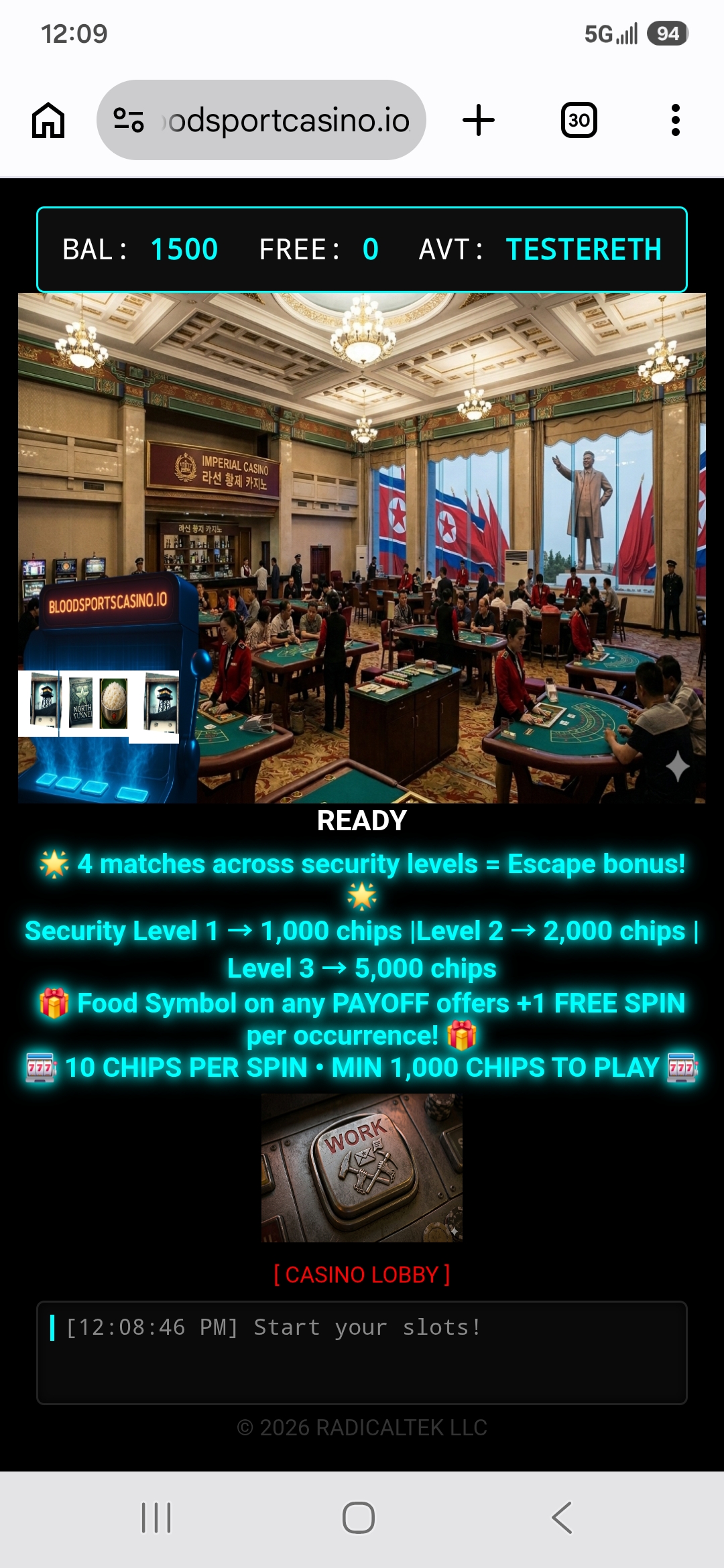
Escape from North Korea Slots
South Korea's Illegal i-Gaming Market
South Korea has one of the world's most restrictive gambling laws, yet illegal online gambling remains a massive underground industry. Most estimates place the total illegal gambling market at ₩100–170 trillion (approximately USD$72–122 billion) annually, with a commonly cited midpoint of about ₩127 trillion (USD$92 billion). Online gambling accounts for a substantial share of that activity, although there is no official breakdown because the market is unregulated.
Authorities have reported that many operators are based overseas—in countries such as the Philippines, Cambodia, and other parts of Southeast Asia—while targeting South Korean players through Korean-language websites, encrypted messaging apps, and cryptocurrency payment systems. Large enforcement cases have involved individual gambling networks processing billions of dollars in wagers.
Most Popular Illegal Online Games
Sports betting (soccer, baseball, basketball, esports, and international sporting events)
Live dealer baccarat
Online blackjack
Online roulette
Video slots
Hold'em poker and other poker variants
Mini-games such as Sic Bo, Dragon Tiger, and fish-shooting arcade games
Virtual sports and esports betting
Game-mediated gambling, where legitimate online games are used to facilitate wagering and the exchange of virtual items for cash.
Market Characteristics
Most commercial gambling is prohibited for Korean citizens, creating demand for offshore websites.
Cryptocurrency, e-wallets, and bank "borrowed-name" accounts are frequently used to launder funds.
Operators heavily advertise through Telegram, KakaoTalk, YouTube, and social media before directing users to private betting platforms.
Criminal organizations often fund illegal gambling with money laundering, phishing, and financial fraud.
Enforcement
Blocking gambling websites.
Targeting payment processors and cryptocurrency transactions.
Cooperating internationally to extradite operators.
Conducting public awareness campaigns, including youth-focused initiatives supported by esports personalities such as Lee Sang-hyeok (Faker).
Although precise figures are impossible to verify because of the hidden nature of the industry, researchers and government studies generally agree that South Korea's illegal online gambling market processes tens of billions of U.S. dollars in wagers each year, making it one of the largest illicit online gambling markets in Asia.
Unlicensed Sports Betting Terminals Seized in Raids by Sicily Territorial Directorate
Agrigento, Italy. Press Release: July 24, 2026 –
Personnel from UADM Sicily 6 in Porto Empedocle and officers from the Provincial Command of Agrigento executed oint inspections of betting shops and gaming halls across the province of Agrigento, Italy. During these operations, they determined that a commercial establishment in the municipality of Porto Empedocle was illegally accepting sports bets without the required public security license.
Inside the retail betting house, inspectors found two betting terminals that lacked official identification codes and were not connected to the national state gaming network. This network ensures that all gaming activity is properly recorded and tracked, protecting consumers from fraud while guaranteeing that a 2% betting tax is collected by the State.
The equipment was seized because its operation outside the telematic network of the Italian Customs and Monopolies Agency (ADM) would have allowed gaming transactions to go unrecorded, thereby evading the PREU (Single Tax on Gaming Machines)—the tax imposed on the owners of amusement and gaming machines, calculated according to the amounts registered by the machines' electronic counters.
The owner of the business has been reported to the Public Prosecutor's Office at the Agrigento Court on suspicion of illegally operating a betting business.
The suspect's criminal responsibility can only be legally established following a final court judgment, due to the presumption of innocence under Article 27 of the Italian Constitution.
The operation, resulting from the joint cooperation between the Italian Customs and Monopolies Agency (ADM) and the Guardia di Finanza (Financial Police), and strengthened through a formal cooperation agreement between the two administrations, forms part of an intensified campaign of enforcement throughout the province.
The coordinated enforcement plan, aimed at preventing and suppressing illegal gambling and jointly conducted by personnel from the Italian Customs and Monopolies Agency and the Guardia di Finanza, involved inspections of 14 gaming operators located in Agrigento, Favara, Joppolo Giancaxio, Raffadali, Palma di Montechiaro, Campobello di Licata, Grotte, Ribera, Santa Margherita Belice, Montevago, and Lampedusa and Linosa.
The inspections resulted in:
Administrative fines totaling more than €20,000 (approximately USD$22,754).
The seizure of 2 unregulated betting machines.
The discovery of 2 underground illegal betting centers.
2 individuals being reported to the judicial authorities.
"Enforcement activities in the gaming sector will continue in the future with the specific objective of protecting players from illegal, unsafe, and unregulated gambling opportunities, safeguarding the most vulnerable groups—especially minors—and preventing organized crime from infiltrating the gambling sector."
"For all individuals referred to the Judicial Authority, the presumption of innocence remains in effect. They are to be considered not guilty unless and until a final conviction is issued by a competent court."
Illegal Betting in Italy
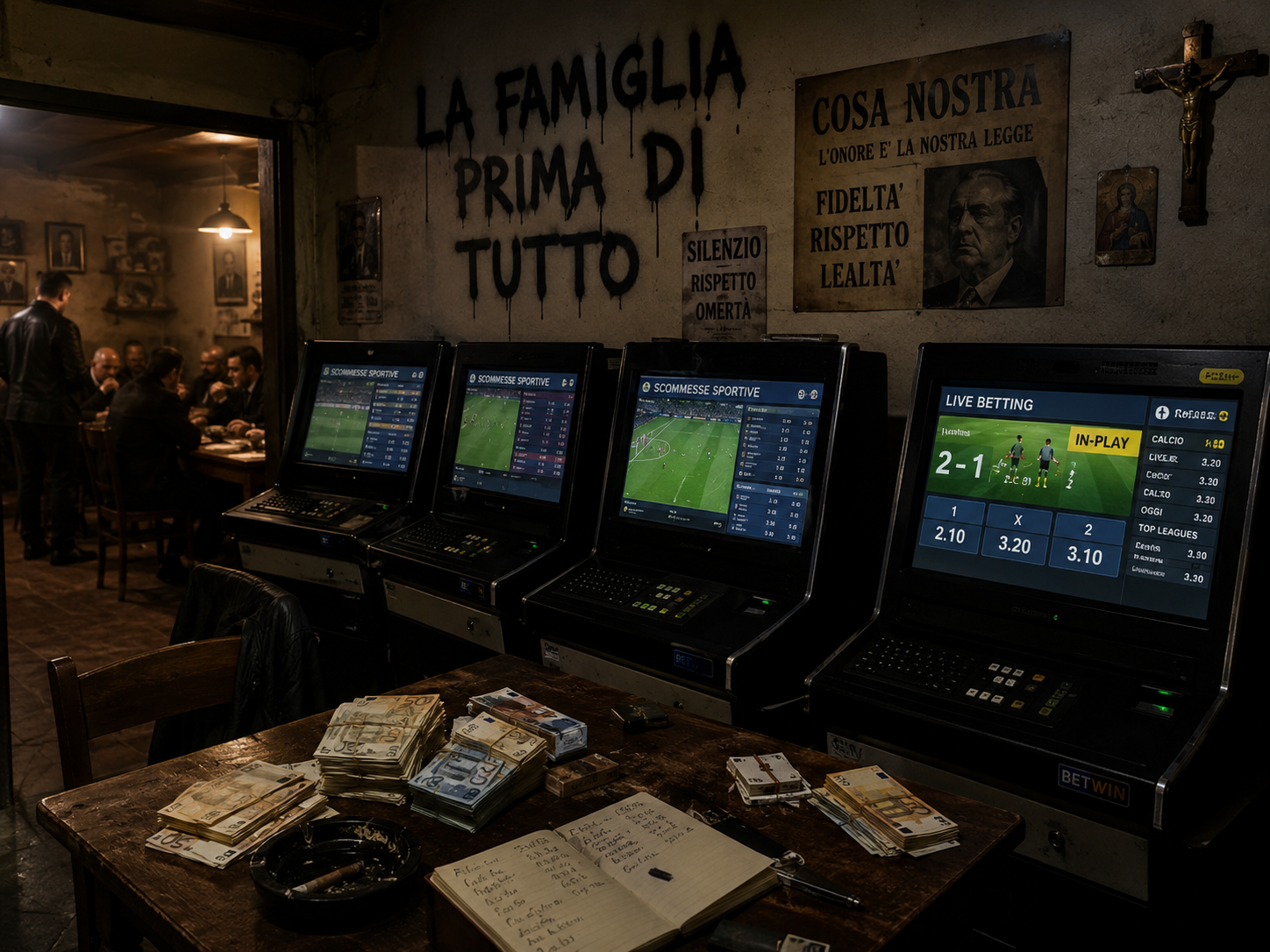
Cosa Nostra tra Gambling Den
While Italy has one of the largest regulated gambling markets in Europe, but it also continues to face a substantial illegal sports betting sector that is closely associated with organized crime.
The legal Italian gambling market generates tens of billions of euros in annual wagers, with sports betting representing one of its fastest-growing segments. Alongside the regulated industry, Italian authorities estimate that the illegal gambling ecoystem—including unlicensed online sportsbooks, clandestine betting shops, underground gaming machines, and offshore operators—handles billions of euros annually.
Because these activities are hidden, precise estimates vary, but government agencies and anti-mafia investigators consistently describe illegal gambling as one of organized crime's most profitable revenue sources.
Italy's anti-mafia agencies have identified several criminal organizations as being heavily involved in illegal betting operations, including the Cosa Nostra, Camorra, N'draghtea, and Sacra Corona Unita. These organizations use illegal gambling to generate cash, launder criminal proceeds, evade taxes, and expand their influence into legitimate businesses.
Common methods include:
Operating unlicensed betting shops that secretly route wagers to offshore bookmakers.
Using internet cafés, bars, and gaming arcades as underground betting centers.
Manipulating or modifying gaming machines to avoid tax reporting.
Laundering proceeds through offshoreshell companies, Vatican Bank, cryptocurrency transactions, and foreign betting platforms.
Using intimidation or extortion to control gambling venues and discourage competitors.
Italian authorities—including the Anti-Mafia District Prosecutor's Offices—conduct frequent joint operations against illegal betting networks. These investigations routinely result in the seizure of betting terminals, arrests, asset confiscations, and the closure of unauthorized betting centers.
The July 2026 operation in Agrigento reflects a common enforcement strategy. Investigators found betting terminals operating outside Italy's state-controlled gaming network, allowing wagers to avoid official monitoring and tax collection. Authorities seized the equipment, discovered two illegal betting centers, imposed more than €20,000 in administrative penalties, and referred two individuals to judicial authorities.
Illegal sports betting remains attractive to organized crime because it offers:
High cash flow with relatively low operating costs.
Opportunities to evade gambling taxes.
Effective channel for money laundering.
Cross-border operations using offshore websites and payment systems.
Access to large customer bases during major sporting events such as the FIFA World Cup, UEFA Champions League, and Serie A football season.
Italian regulators continue to intensify inspections and prosecutions, particularly during major sporting tournaments, to reduce tax evasion, protect consumers from fraudulent operators, and disrupt organized crime's involvement in the gambling industry.
Hot Hooligans Slots
Israel charges 10 inmates accused of running gambling ring from prison
Migdal HaEmek, Israel. Etiel, Y. 22 July 2026.
Source:
Jerusalem Post
The State Attorney's Office on 20 July 2026 filed an indictment with the Nazareth District Court in Israel against 10 defendants, including inmates Asaf Buskila, Adir Ben Hamo, and Meir Amar, accusing them of operating an organized criminal network that allegedly operated for years in Migdal HaEmek and the surrounding area.
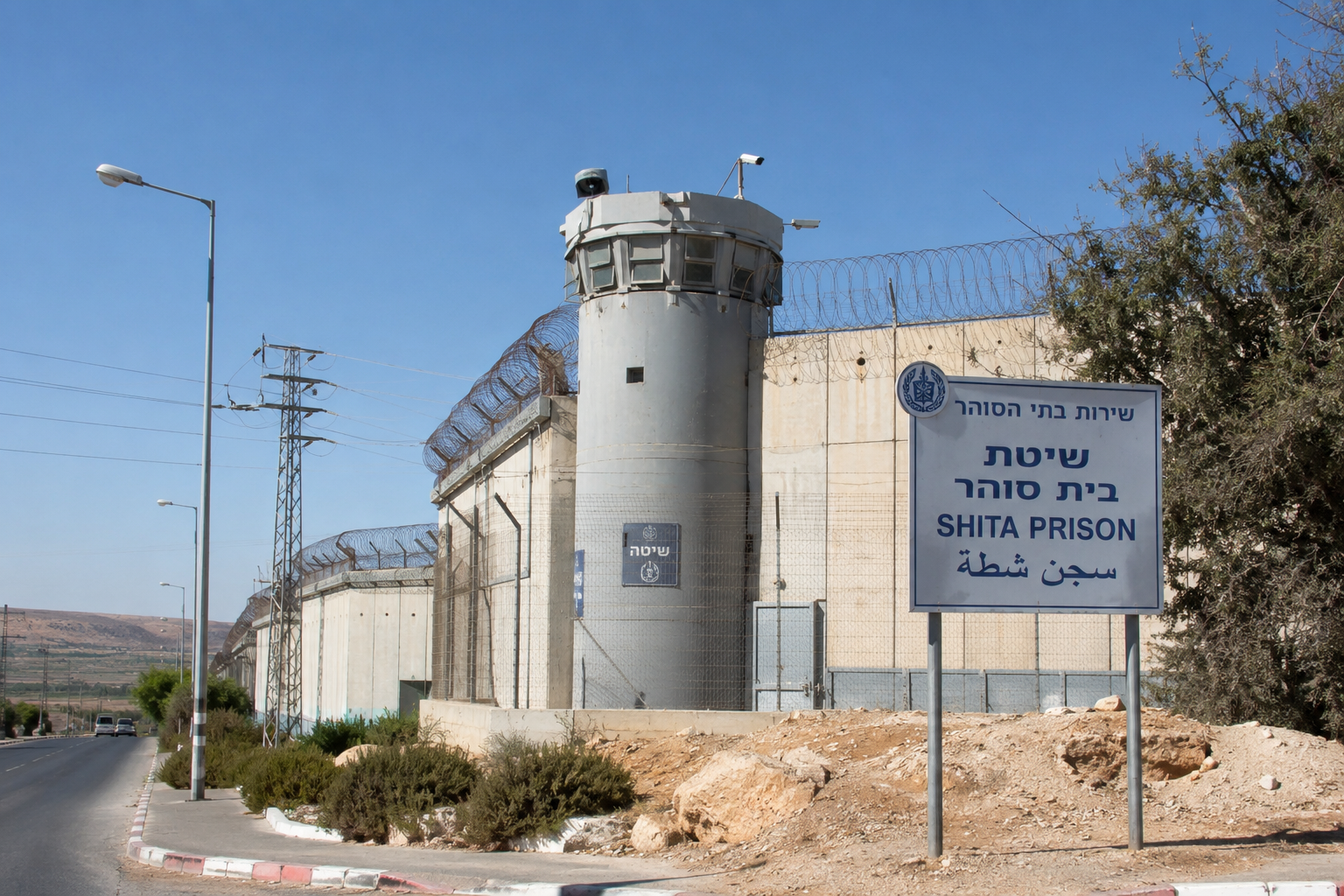
According to the indictment, the organization was led by Buskila, an inmate at Shita Prison, who allegedly managed the organization's operations from prison while instructing members located outside the prison.
Shita Prison
The defendants include Migdal HaEmek residents Asaf Buskila, 30; Adir Ben Hamo, 23; Meir Amar, 64; Liel Malka, 23; Shani Cohen, 32; Aliza Buskila, 48; Moti Levy, 26; Elimelech Perido, 26; and Oded Davit, 25. Lian Neiman, 29, of Kiryat Haim, was also charged.
Prosecutors allege that over the course of nearly four years, the group operated a criminal network involved in illegal gambling, loan sharking, and illegal debt collection through extortion, exploitation, and money laundering.
The indictment, filed by attorneys Shani Malul and Tehila Bernes of the Northern District Attorney's Office, states that the operation generated at least NIS (New Israeli Shekels) 3 million, or equivalent to USD$973,000.
Gambling ring head ordered debt collection enforcement from behind bars
Despite being incarcerated, Buskila allegedly remained in daily covert communication with members of the organization, issuing orders and directing debt collection efforts. Prosecutors say borrowers and gamblers who fell behind were extorted into repaying their debts through fear, brutal beatings and threats.
The indictment further alleges that Buskila, together with Ben Hamo, Amar, and Davit, rigged roulette games at an underground gambling den they operated in Migdal HaEmek. According to prosecutors, the roulette table was rigged with a remotely controlled magnetic device that allowed the gang to fix games and increase house profits.
In one alleged incident, after a debtor amassed a debt of at least NIS 100,000 ( proximately USD$32,500), members of the organization ordered a beating to force repayment. Prosecutors say they lured him to the underground gambling den using deception, where several members of the group were waiting with an attack dog. Once inside, they allegedly locked the door, beat him, and set the dog on him, causing bite wounds to his arms and legs.
The indictment also describes a separate case in which the defendants allegedly provided a NIS 50,000 (USD$16,250) loan carrying monthly interest payments of NIS 3,000, a 6% teaser rate. After the debtor failed to keep up with the payments and was repeatedly threatened, prosecutors say he ultimately paid the defendants at least NIS 128,700, a 257.4% loansharking rate.
78 arrested over illegal gambling, including members of syndicate at racecourse
Following nationwide raids on World Cup betting parlors across China, Kong police have arrested 78 people, including a 16-year-old minor, in a crackdown on illegal gambling that uncovered a syndicate operating at the Happy Valley Racecourse.
Lo Kin-pong, a chief inspector from the Hong Kong Island regional anti-triad unit, said that police targeted drugs, gambling, prostitution and triad activities in a campaign that ran from July 7 to Jul 20.
Officers arrested 42 men and 36 women, aged between 16 and 68, some of whom had triad mafia affilitions, according to Lo. They were suspected of offences including operating an unlawful gambling establishment, extortion, and illegal bookmaking and betting.
Officers targeted a syndicate involved in illegal horse racing gambling located at the the Jockey Club’s Happy Valley Racecourse, after receiving a tip from the club. The club is a licensed monopoly, authorized by the government to provide horse racing and football betting services in the city.
Officers arrested seven men – a HK local and six mainland Chinese – at the racecourse on July 8 on suspicion of illegal bookmaking and betting. They did not have triad backgrounds, according to the force.
HKJC
“Police investigations found that the syndicate had reserved some remote spots in the public gallery and openly engaged in illegal gambling activities at the racecourse on scheduled race days since 2025. They used mobile phones to engage in live betting through illegal gambling websites,” Lo said.
“Preliminary investigationshow the syndicate received over HK$100,000 [USD$12,750] in bets in the first five races on the day of arrest.”
Lo added that the force was continuing to investigate the total amount of illegal bets received by the syndicate and whether other groups were involved.
The two-week operation also broke up a number of illegal gambling dens. Officers raided a coverted residential unit in North Point, measuring about 1,000 sq ft, that offered mahjong and baccarat, according to the force.
“It resembled a small-scale casino. To lure nearby residents to gamble, the den even offered meals and beverages. Our preliminary investigation shows that the den received a monthly income of up to HK$400,000,” he said.
Officers also raided three other gambling dens and targeted 10 other underground where suspected sex was offered. The enforcement action also resulted in the seizure of drugs worth more than HK$500,000.
The HKJC said it would continue to inform police investigations, adding that it maintained regular contact with the force.
“It has regular information exchanges with police on developments in the illegal market and reports suspected illegal gambling activities,” the HKJC spokesman said.
He added the club supported the government in combating competition from illegal gambling.
According to reports, the Hong Kong Jockey Club generated USD$6.4 billion,(HK$50 billion) in revenue in 2025, placing it third among global sports organizations.
Accordoing to Hong Kong law, Anyone who participates in illegal gambling faces a maximum fine of HK$50,000 and nine months in prison. Upon conviction, anyone who unlawfully engages in bookmaking is liable to a maximum fine of HK$5 million and seven years in jail.
Bloody Baccarat
France orders ISP blackout on Polymarket ahead of World Cup final
Paris, France. By Adams, Z. 19 July 2026. Source:The Block
The president of ANJ, France’s gambling regulator, has directed internet service providers (ISPs) to block access to the prediction market platform Polymarket and its variants, following a two-year review of alleged unregulated gambling activities and associated public safety risks.
The regulator stated that prediction market services constituted unlicensed games of chance, and were therefore illegal under French law. In addition, the regulator raised concerns that some wagers may be vulnerable to manipulation or insider trading.
After receiving a formal warning, the operator introduced a geo-blocking fence aimed at preventing French IP addresses from booking transactions. However, this measure did not stop access entirely or prevent users from evading restrictions using technological means, such as VPNs.
Data cited by the ANJ indicated that in June 2026, Polymarket recorded 578,751 visits and 205,057 unique French visitors.
Government concerns
The order cuts French users off ahead of the World Cup final, which will settle the largest event markets in the industry's history.
France's gambling regulator has ordered the country's internet service providers to block access to Polymarket, cutting French users off from the prediction market platform days before the World Cup final resolves the largest event markets the industry has produced.
The Autorité nationale des jeux (ANJ) said in a statement Friday that its president issued the blocking order on July 16 because the site "is promoting an illegal gambling and betting offering."
The regulator said the platform could expose users to significant gambling losses and that some wagers offered on it could be manipulated.
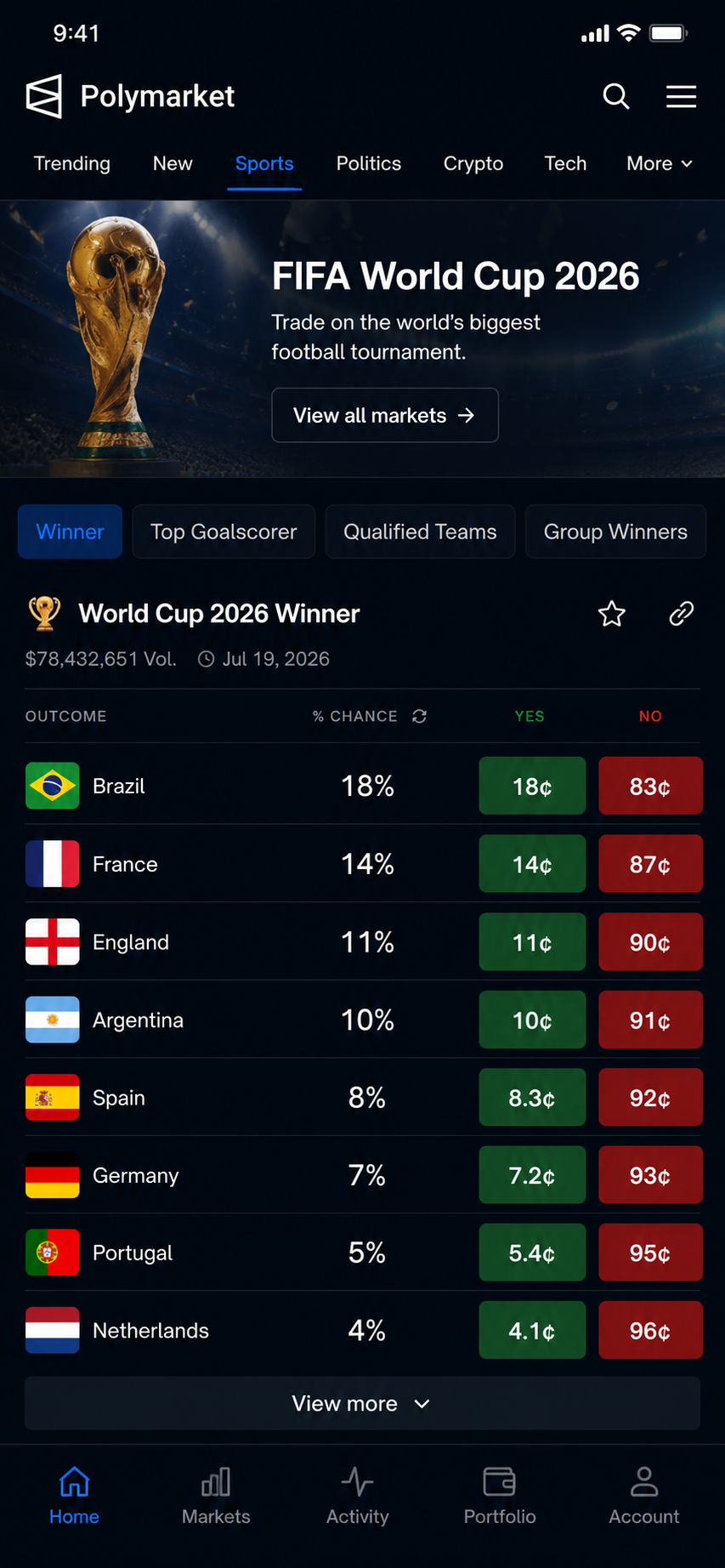
Sunday's World Cup final between Spain and Argentina at MetLife Stadium, scheduled at 3 p.m. ET, will settle Polymarket's World Cup Winner market, the largest single market in the platform's history at more than $4 billion in handle, according to company data.
A separate contract on the final has received over $1.27 billion on competitor Kalshi.
What Is Polymarket?
Polymarket Prediction App
Prediction markets have become one of the fastest-growing segments of financial technology, allowing users to trade on the crowd sentiment-based probability of future events instead of wagering against traditional sportsbook odds.
Polymarket has emerged as one of the world's largest blockchain-based prediction markets, attracting traders interested in politics, economics, sports, cryptocurrency, technology, and global affairs.
Polymarket is a peer-to-peer prediction market where clients buy and sell contracts associated with real-world events. Each market asks a simple yes-or-no question, such as:
Will Bitcoin trade above a specific price by year-end?
Will a particular election candidate win?
Will a major sporting event produce a certain outcome?
Contract prices typically range between USD$0.01 and USD$0.99. A contract trading at USD$0.72 implies that the market sentiment estimates roughly a 72% probability that the event will occur. When the event is resolved, winning contracts settle at $1 while losing contracts settle at $0.
Blockchain Technology
Unlike traditional betting platforms, Polymarket uses blockchain technology to record trades and settle transactions. The platform operates on the Polygon network, a Layer-2 blockchain built on Ethereum, while transactions are generally settled using USDC, a U.S. dollar-pegged stablecoin.
This design offers transparent settlement, publicly-verifiable transactions, and allows users to maintain control of their own crypto wallets instead of depositing funds into a centralized operator.
Popular Markets
Polymarket hosts thousands of prediction contracts covering subjects including:
Elections and politics
Central bank decisions
Cryptocurrency prices
Artificial intelligence
International conflicts
Weather events
Entertainment awards
Professional sports
Technology launches
Political markets have become especially popular because traders often react instantly to debates, speeches, polling data, and breaking news.
Market Accuracy
Prediction markets are frequently cited by economists as useful forecasting tools because they combine the sentiment of thousands of traders who have financial incentives to evaluate information accurately.
Unlike opinion polls, prediction market prices adjust in real time as new information becomes available.
Major announcements, economic reports, corporate earnings, and geopolitical events can all move prices within seconds.
While prediction markets are not perfect predictors, many researchers consider them accurate indicators of public expectations.
Risks
Trading prediction contracts carries significant financial risk. Participants can lose their entire investment if their prediction proves incorrect.
Market prices may also be influenced by speculation, insider information, rumors, or sudden news events that create substantial volatility.
Because markets often involve political or economic outcomes, there is also ongoing concern about insider information and market manipulation.
Polymarket states that it prohibits trading on confidential information and has implemented market-integrity monitoring.
Regulation
Prediction markets operate in a complex legal landscape. Numerous countries—and in some cases, individual U.S. states—have adopted varying approaches toward these platforms.
Regulatory agencies continue to debate whether certain prediction contracts should be treated as derivatives, financial instruments, or gambling products.
Recent actions in several jurisdictions illustrate that the legal environment remains evolving and subject to change.
Conclusion
Polymarket represents a new generation of prediction markets that combines blockchain technology with crowd-sourced forecasting.
By allowing participants to trade on the likelihood of future events, the platform creates real-time probabilities that reflect collective market sentiment.
Although prediction markets offer valuable insights into public sentiment, they remain speculative financial instruments that involve substantial risk and operate within an evolving regulatory environment.
White House teleprompter operator wins more than $100K betting on Trump's speeches in Kalshi Market
Washington DC, USA. By Faulders, K., et al. 16 July 2026.
Source: ABC NEWS
The White House said that Teleprompter, Gabriel Perez, has been placed on unpaid leave, after the operator was revealed to have made more than $100K in profit betting on Trump's speeches in the Kalshi political prediction market.
President Donald Trump's longtime teleprompter operator is believed to have made tens of thousands of dollars by placing bets on more than a dozen of Trump's speeches on the prediction market Kalshi, federal investigators with the Commodity Futures Trading Commission found, sources familiar with the matter told ABC News.
Gabriel Perez, a technical assistant to the president who has been operating Trump's teleprompter since 2016, is in talks with federal regulators to settle allegations he used his inside knowledge of the president's speeches to win more than $100,000, the sources said.
According to the sources, Kalshi dropped a dime on the sharpie, to the feds, the Commodity Futures Trading Commission (CFTC), to the suspicious activity on its "Mentions" market, where users can bet on whether specific words, phrases or topics are uttered during a public speech.
Kalshi says it's introducing new security procedures to combat insider trading, which cuts into its profits.
"Our surveillance team promptly flagged and referred these trades to the CFTC, and we are cooperating and assisting regulators," Kalshi's head of enforcement, Bobby DeNault, said in a statement provided to ABC News.
White House Press Secretary Karoline Leavitt told reporters Thursday afternoon, following ABC News' report, that Perez has been put on unpaid administrative leave. Leavitt said she spoke with President Trump about it, and he thought it was a "disgrace" and made the decision himself to put Perez on unpaid leave.
A spokesperson for the CFTC declined to comment.
In addition to February's State of the Union address, sources said CFTC investigators discovered that Perez placed bets on more than a dozen Trump speeches over a three-month period, including a December primetime address, a January speech at the World Economic Forum in Davos, Switzerland, and Trump's remarks in March, during a Medal of Honor ceremony.
Later in March, the White House issued an internal memo warning staff against using nonpublic information to place bets on prediction markets, sources previously confirmed to ABC News.
Perez has served as one of Trump's teleprompter operators since Trump's first presidential campaign.
Of all Trump's closest aides, sources say Perez typically has the final proof read on nearly all of the president's prepared remarks -- and is often known to personally present last-minute edits to Trump himself. He previously came under scrutiny by congressional and federal investigators over the edits that were made prior to the delivery of Trump's remarks surrounding the Jan. 6, 2021, attack on the U.S. Capitol.
Prediction market Kalshi suspended 3 accounts held by congressional candidates for betting on their own races.
The elderly Trump is known to frequently ho off script from his prepared remarks, as he himself often admits.
"You know, when you go up here, you take a big chance, especially me because I go off teleprompter about 80% of the time," Trump said during remarks in January to the Detroit Economic Club, another speech federal investigators believe was among those Perez placed bets.
In certain instances, investigators uncovered instances when Perez would back out of certain bets mid-speech when Trump skipped over a portion of the speech that included a word he had previously bet would be mentioned, the sources said.
Kalshi's Political Prediction Markets: $Billions Wagered on Elections & Public Policy
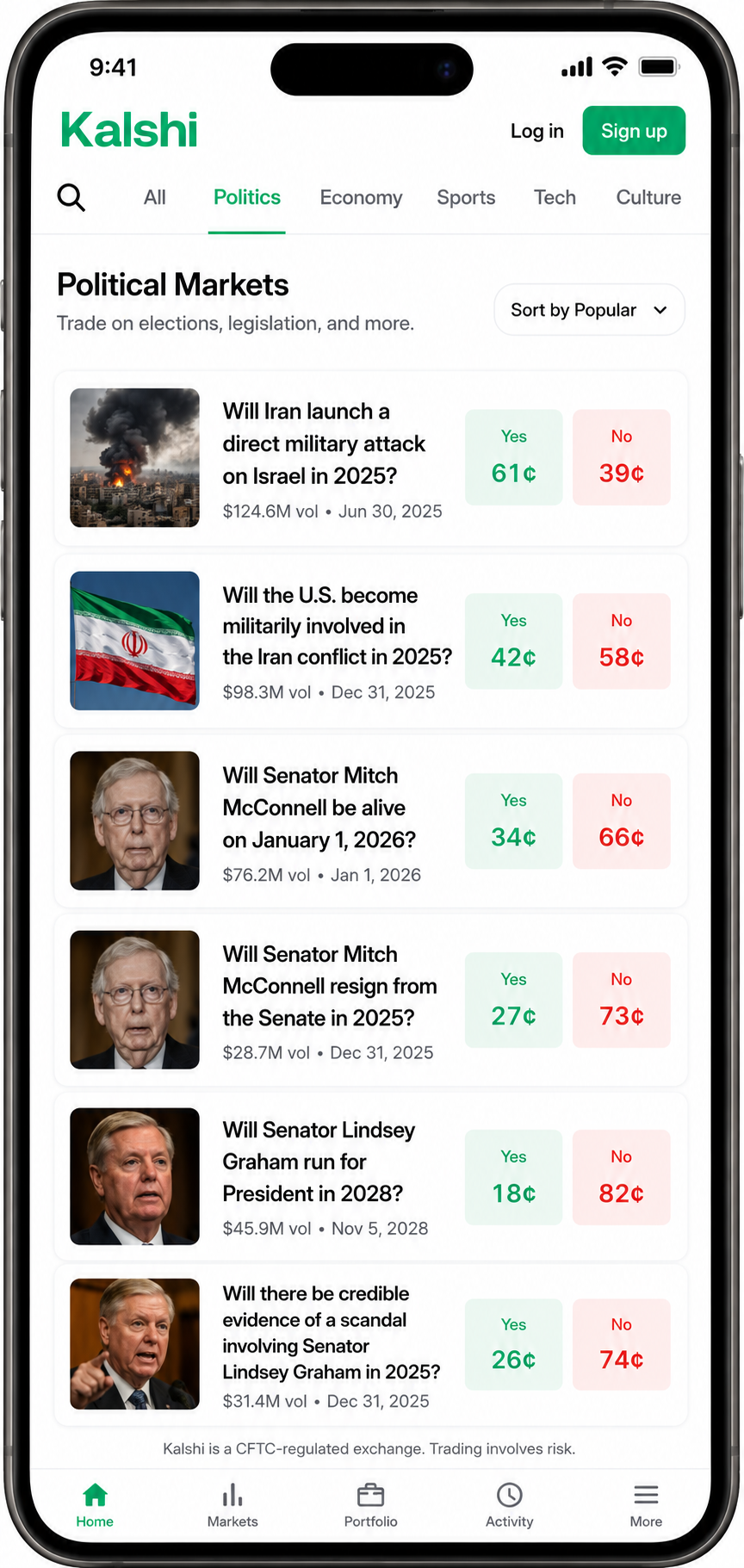
Kalshi Prediction App
Prediction markets have become one of the fastest-growing segments of online financial trading, with Kalshi emerging as the leading regulated U.S. platform. Unlike traditional sportsbooks, Kalshi allows users to trade contracts on real-world events ranging from inflation reports and Federal Reserve decisions to elections, weather, entertainment, and sporting events.
Political markets have become one of Kalshi's most popular categories, attracting traders seeking to profit from election outcomes while simultaneously creating a real-time measure of public expectations.
Record Election Cycle Betting
Interest in political prediction markets surged during the 2024 U.S. presidential election. More than $500 million was traded on Kalshi's presidential election contracts alone, making it one of the largest event markets ever hosted on the platform.
During October and November 2024, political contracts accounted for roughly 90% of Kalshi's trading volume, reflecting intense interest as Americans followed one of the most "infotaining" presidential races in decades.
From Elections to Policy Bets
Kalshi's political markets have expanded well beyond presidential elections. Traders can buy contracts on options such as:
Will the US launch a nuclear strike on Iran?
Will Senator Mitch McConnell retire due to health issues?
Will Senator Lindsey Graham address rumors about his personal life?
Who will win state governor or Senate races?
Will specific cabinet nominees be confirmed?
Will a public official make a particular announcement?
Prices update continuously, in real-time, as new information becomes available, allowing traders to react immediately to debates, polling data, fundraising reports, economic releases, and breaking news.
The Growth of Prediction Markets
Since mid-2025, trading activity on Kalshi and competing platform Polymarket has increased dramatically. According to analysis by the Pew Research Center, sports, politics, and cryptocurrency account for approximately 90% of all prediction market trading volume. Politics accounts for the most action, particularly during major election cycles.
The Kalshi business has expanded rapidly, reporting millions of monthly users and, during periods of heavy activity, individual trading days exceeding $1 billion in betting handle across all market categories.
Can Prediction Markets Beat Polls?
Supporters argue that prediction markets often outperform traditional opinion polls because traders have financial incentives for accuracy rather than merely expressing personal preferences.
Several bookworms examining the 2024 U.S. presidential election found that prediction market odds rapidly adjusted to breaking political developments and, in some cases, produced more accurate forecasts than polling averages, especially in closely contested states. Researchers also found that major events such as presidential debates and candidate withdrawals triggered real-time price movements across political contracts.
However, prediction markets are not perfect. Recent research suggests that large institutional traders and "whales" can sometimes distort prices, reducing the independence that gives crowd forecasting its predictive power.
Regulation and the Future
Kalshi operates under oversight from the U.S. Commodity Futures Trading Commission (CFTC), distinguishing it from many offshore prediction platforms. The company argues that event contracts function as regulated financial instruments rather than real-money gambling.
As prediction markets continue to expand into politics, economics, science, and public policy, they are increasingly viewed as valuable forecasting tools by journalists, investors, businesses, and researchers. Whether used to gauge election outcomes or anticipate government decisions, political prediction markets are becoming an influential source of real-time bettor-generated odds.
With billions of dollars now flowing through event contracts, prediction markets are likely to remain a shadow betting market in political predictions for years to come.
Kalshi: A New Frontier in Financial Prediction Markets
Kalshi has emerged as a new player in the licensed U.S. gaming space, operating as the first federally-regulated prediction market platform reviewed by the Commodity Futures Trading Commission (CFTC). Unlike traditional prediction markets that often operate in a gray legal area, Kalshi is classified as a "Designated Contract Market," placing it under the same federal racket as established exchanges like the Chicago Mercantile Exchange (CME).
How Kalshi Works
Basically, Kalshi allows players to trade on the outcome of future events—ranging from macroeconomic indicators like CPI inflation and Federal Reserve interest rate decisions to geopolitical milestones.
Contract Structure: Each market consists of binary "Arrow-Debreu" contracts. A "Yes" contract pays $1 if an event occurs and $0 if it does not.
Price as Probability: The market price of a contract effectively represents the crowd-sourced probability assigned to an outcome. For example, if a "Yes" contract trades at $0.70, the market is signaling a roughly 70% probability of that event occurring.
Institutional Integration: Unlike offshore or unregulated platforms, Kalshi’s status as a CFTC-regulated entity comes with extensive surveillance, reporting, tax reporting and customer identification (KYC) requirements.
Challenges: Fraud, Misinformation, and Legal Scrutiny
While Kalshi is designed to crowd source information efficiently, its rapid growth has seen significant legal and regulatory challenges, and betting fraud risks.
1. Disputes Over Market Settlement
As prediction markets move into complex real-world events, the criteria for how a bet "settles" (i.e., determines the winner) can become a legal dispute. One example, is a class-action lawsuit (e.g., Golan v. Kalshi) involving a market on the political status of Iranian Supreme Leader Ali Khamenei. When the market did not settle as bettors expected following reports of his death, Kalshi employed a "death carveout" and "scalar settlement" parlay. Bettors argued that this resulted in lower-than-expected payouts, highlighting the risks retail bettors face when market-defined "resolutions" differ from public understanding.
2. Allegations of Unlicensed Gambling
Kalshi has faced class-action lawsuits, such as Pelayo et al. v. Kalshi Inc., which argue that the platform functions as an unlicensed sports gambling platform rather than a traditional financial exchange. Critics contend that contracts involving team results and player metrics are identical to standard sports betting, creating potential legal gray area in states where sportbetting is banned.
3. Insider Trading and National Security
The combination of prediction markets with sensitive geopolitical information carries insignificant fraud risks regarding insider trading.
The "Foreknowledge" Problem: In 2026, a U.S. military vet was prosecuted for allegedly using classified defense information to trade on a prediction market regarding a specific military operation. This case marked a significant example, illustrating that bettors with access to non-public government data can potentially gain an unfair edge with their "foreknowledge."
Market Signaling: Experts note that prediction markets do not just list compiled odds information; they create it. If a market is believed to be influenced by insiders, the real-time price movements themselves can generate market signals that might affect national security or influence public perception.
Legal Gaps: Current laws, such as the Espionage Act, were designed to prevent the unauthorized release of classified data. However, trading on that information creates a public signal without directly "leaking" the intelligence in the traditional sense, leaving feds with the task of applying existing legal processes to these new digital markets.
The Regulatory Outlook
The regulatory environment for platforms like Kalshi remains in a gray area. While the CFTC has historically attempted to use a "Special Rule" to limit certain political prediction markets, some of these efforts have been challenged or overturned by federal courts. Consequently, the industry is currently defined by a record of legal and ethical debates:
Privacy: Because trades are linked to identifiable users, platforms are better equipped to detect potential market manipulation than anonymous, decentralized alternatives.
Fairness: Media organizations have faced scrutiny for partnering with these platforms, as including betting odds into news tickers can blur the line between journalism and gambling.
As of miimgd-2026, while Kalshi remains the leading federally-licensed prediction markets bookie in the U.S., it operates in an environment where technology and product innovation are currently far ahead of the development of applicable regulatory rules for "event-linked" financial contracts.
Police Crack Down on FIFA World Cup Betting Rings Across Chinese Social Media
China. By Zekun, Y. — 13 July 2026.
Source:
China Daily
Law enforcement authorities across China have conducted nationwide raids on illegal online gambling operators accepting action on the 2026 FIFA World Cup, detaining multiple suspects while warning the public to avoid betting scams promoted through promises of "high odds,"
"expert predictions," or "guaranteed profits."
As the tournament reached the semifinal rounds, gambling syndicates allegedly used social media, chat groups, offshore betting websites, and rebate schemes to attract new bettors. Police reported investigations in Huzhou and Hangzhou (Zhejiang Province), Xi'an (Shaanxi Province), Jiangyou (Sichuan Province), and Yulin in the Guangxi Zhuang Autonomous Region.
Huzhou Operation
Investigators said four suspects, including a man surnamed “Yang”, repeatedly posted advertisements promoting "guaranteed profits" and "high-odds cashback" before the World Cup began. Authorities allege the group recruited users into betting chat groups, distributed match odds and betting guides, and directed
members to illegal gambling websites. Four suspects were detained, and the ring involved more than 1.5 million yuan (approximately US$221,000) in betting turnover.
Hangzhou Betting Ring
Police in Jiande, Hangzhou, dismantled another gambling operation in late June, detaining eight suspects. The investigation involved betting handle exceeding 1 million yuan. Authorities said the group operated an overseas World Cup betting market, attracting players through promises of high odds and accurate predictions while profiting from rebate commissions.
Jiangyou Investigation
Police in Jiangyou uncovered a gambling network promoting "World Cup exclusive markets" through instant messaging and WeChat groups. Investigators said the suspects relied on offshore affiliate gambling websites while communicating via multiple chat accounts and payment channels to avoid detection.
The case involved more than 300,000 yuan, and four primary suspects were detained.
Xi'an Task Force
In mid-June, police in Xi'an's Weiyang District dismantled a gambling group that allegedly updated betting odds, accepted wagers online, recruited gamblers, and collected debts in-person. Following the initial discovery on 18 June, authorities formed a 20-member task force to identify suspects, gather digital evidence, and trace financial transactions. The investigation was completed within 19 hours, resulting in seven arrests and involving more
than 100,000 yuan in illegal betting handle.
Yulin "Clean Net 2026" Operation
Cybersecurity police in Yulin, Guangxi, also disrupted an online gambling marketing operation under the "Clean Net 2026" campaign.
Since May, investigators had identified gambling advertisements spread through images, text, and videos across multiple social media platforms.
Police allege that a 25-year-old suspect surnamed “Chen” operated a studio that provided SEO traffic promotion and operational support for illegal gambling websites. Chen and several associates were detained, and the investigation remains ongoing.
Public Warning
Chinese authorities warned that World Cup-related online gambling spreads rapidly and is frequently linked to fraud, money laundering, and other criminal activity. Several online platforms have launched campaigns to remove gambling advertisements, block offending accounts, delete illegal content, and 二五仔 ("rat") violations to law enforcement.
Officials reminded the public that online gambling is illegal in China and warned that promises of "sure wins" or unusually high returns are often fraudulent. Citizens were advised against joining betting groups, clicking gambling links, or transferring money to unknown individuals, and for 内鬼 ("moles") to report gambling-related information to police.
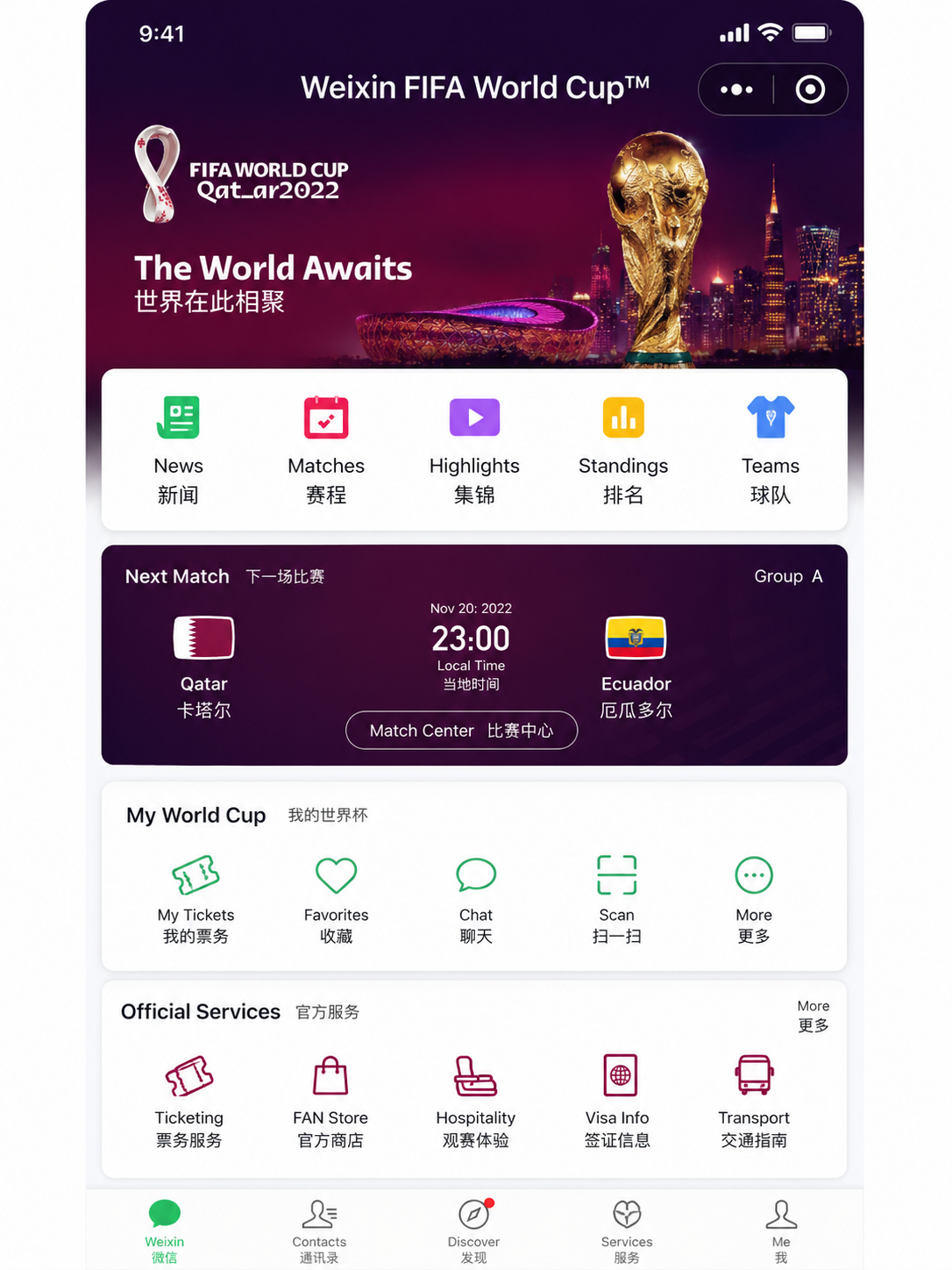
Weixin FIFA World Cup App
Brazilian Police Take Down Illegal Betting and Crypto Money-Laundering Ring in Operation Veil of Maya
São Paulo, Brazil. By S. Goschenko. 10 July 2026. Source: Bitcoin.com
With data from the Ministry of Finance and the Prizes and Betting Secretariat (SPA), police executed nine search warrants in São Paulo, Ribeirão Preto, Porto Alegre, and Canoas. The investigation targeted 87 shell companies suspected of facilitating money laundering connected to crypto-based illegal casinos and prediction markets.
Under Operation Veil of Maya, Brazil intensified its regulatory oversight of illegal operations involving cryptocurrency and shell companies within its financial system. According to the Federal Police, 87 companies were targeted, although official figures regarding their transaction volumes have not been disclosed.
The alleged illegal use of crypto assets was reportedly limited to offshore player deposits and withdrawals of untaxed gambling winnings.
“Those under investigation may face charges of money laundering, tax evasion, organized crime, and other offenses that may be identified during the course of the investigation.”
— Brazilian Federal Police
Illegal betting has become a major concern for the Brazilian government. The use of digital currencies, in addition to cash, can make it more difficult for law enforcement agencies to track underground gambling transactions through the traditional financial system.
Brazil’s legal betting market, represented largely by regulated lottery and betting operators, generated approximately USD $869 million in government tax revenue during the first quarter of 2026. In comparison, estimates suggest that the illegal market may account for approximately half of the country’s total betting volume.
President Luiz Inácio Lula da Silva recently announced measures targeting illegal online casinos, citing problem gambling and the financial risks faced by Brazilian families.
With digital betting transforming millions of Brazilian mobile phones into around-the-clock betting platforms, the societal cost of betting and gambling has been estimated at approximately 38.8 billion reais, or roughly USD $7 billion, per year, according to the CDC.
“Another drama hitting Brazilian households is gambling addiction. Although most addicts are men, the bill falls on women: money for food, rent, school, and children disappearing on a cellphone screen.”
— President Luiz Inácio Lula da Silva
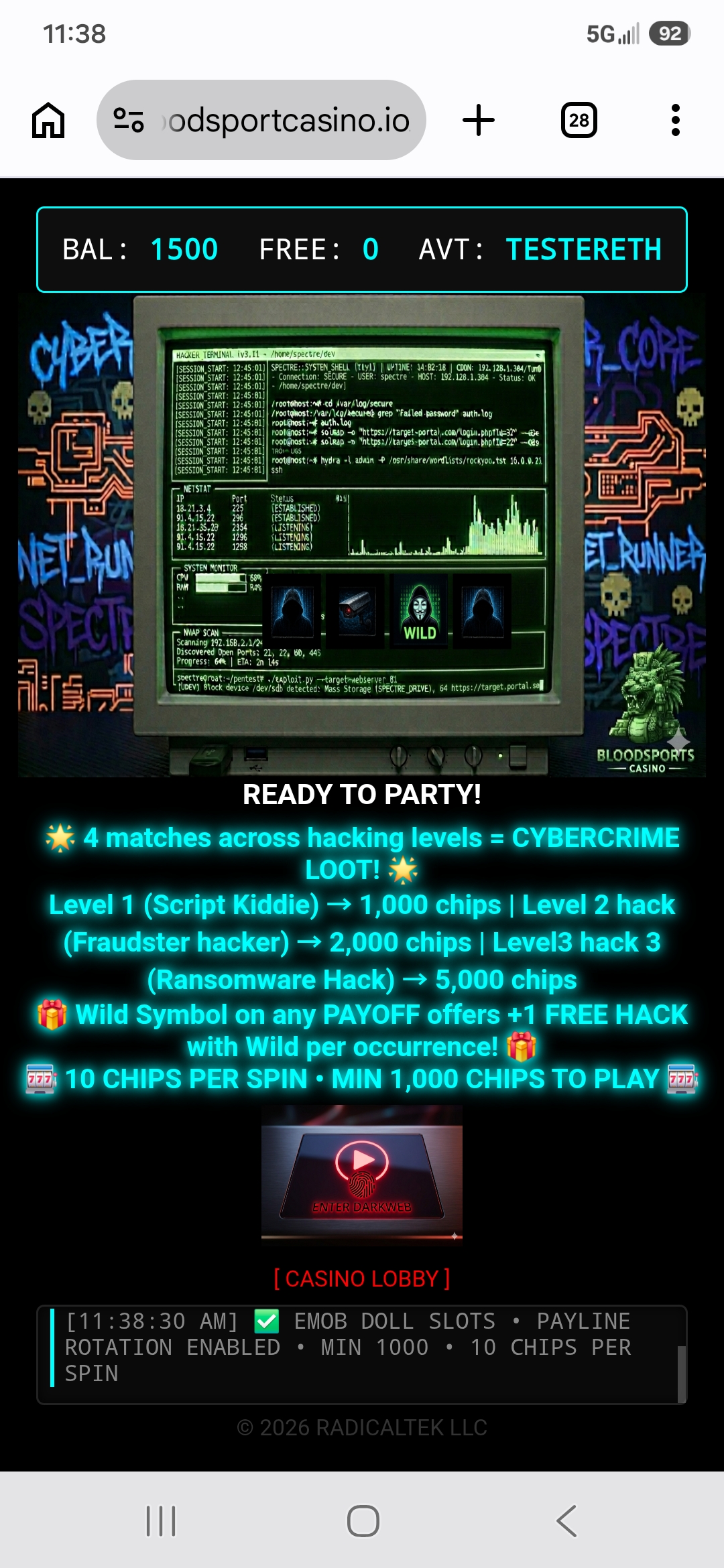
Darkweb Cybercrime Slots
NBA Player Loses Count of Rebounds in Prop Fix, Leading to End of Sports Betting Ring
Milwaukee, Wisconsin, USA | By R. Linnehan | June 30, 2026
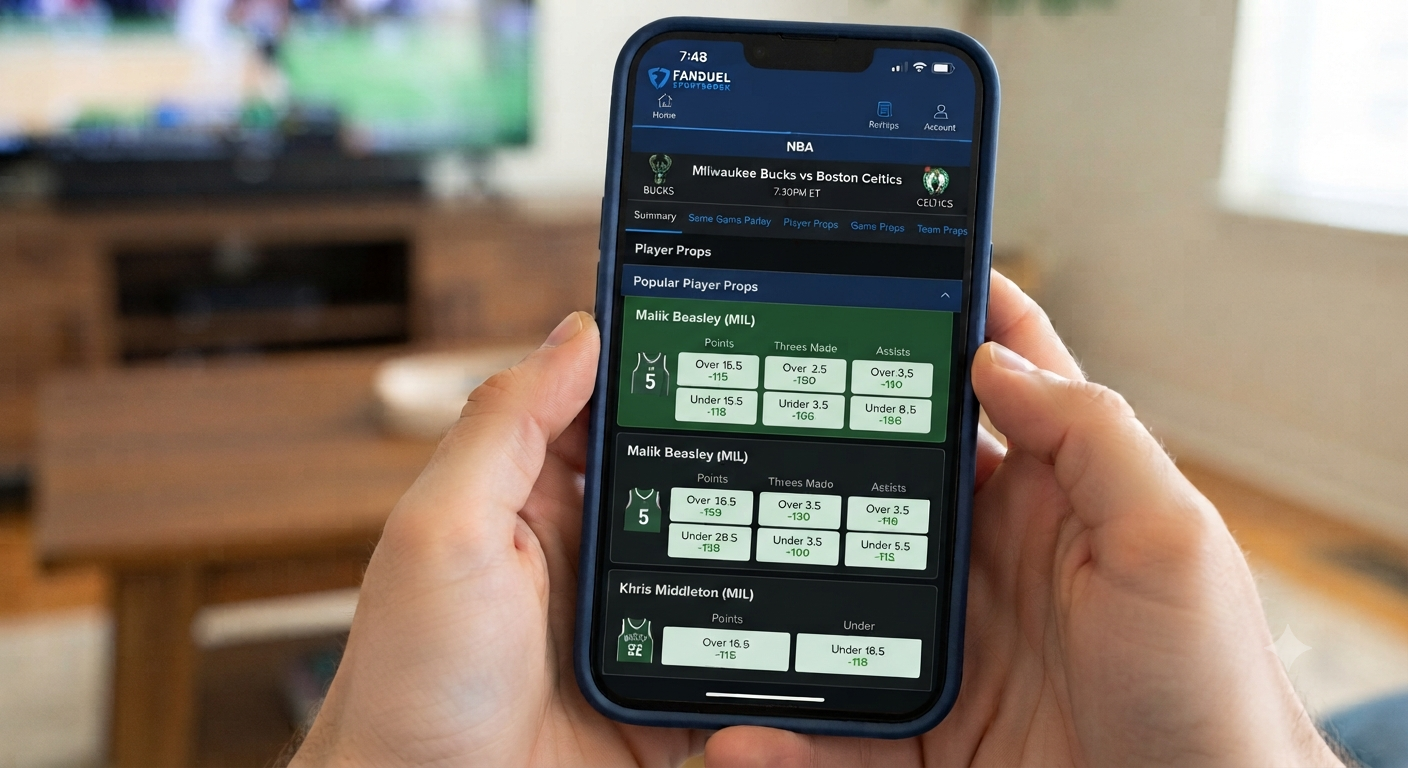
A federal sports betting indictment was announced against former Detroit Pistons player Malik Beasley for fixing the number of rebounds in a proposition betting market while playing for the Milwaukee Bucks during the 2023-2024 NBA season.
Beasley allegedly conspired with several co-conspirators to manipulate proposition bets in games to profit from illegal sports bets on his performance, usually points scored or rebounds. However, Beasley losing count of his personal rebound stats during a March 21, 2024 matchup led to disputes among the gambling ring and the eventual collapse of the scheme.
The Indictment
The federal indictment charges six defendants, including Beasley and his then-teammate Ed Davis. They face charges of:
Wire fraud conspiracy
Bribery in sporting contests
Honest services wire fraud conspiracy
Money laundering conspiracy
The Rise of Proposition Bets
Player-specific prop bets have become a major part of modern sportsbook activity because they are popular with casual bettors and are frequently bundled into parlays.
Key Drivers in Prop Bet Profits
High-Margin Drivers: Proposition bets such as player points, assists, rebounds, or first-basket scorers can generate higher margins than traditional point spreads or moneyline wagers.
FanDuel's Overall Earnings: The platform’s reliance on prop and parlay products has helped it remain a major U.S. sportsbook operator.
League Partnerships: NBA-related betting markets have created strong engagement between sportsbooks, broadcasters, leagues, and fans.
Industry Scrutiny: Because prop bets depend on isolated player statistics, they have drawn increased scrutiny from regulators and leagues.
Wiseguys Cop Plea in Fed Bookie Bust
Pascack Valley, New York, USA — June 23, 2026.
Source:
Daily Voice
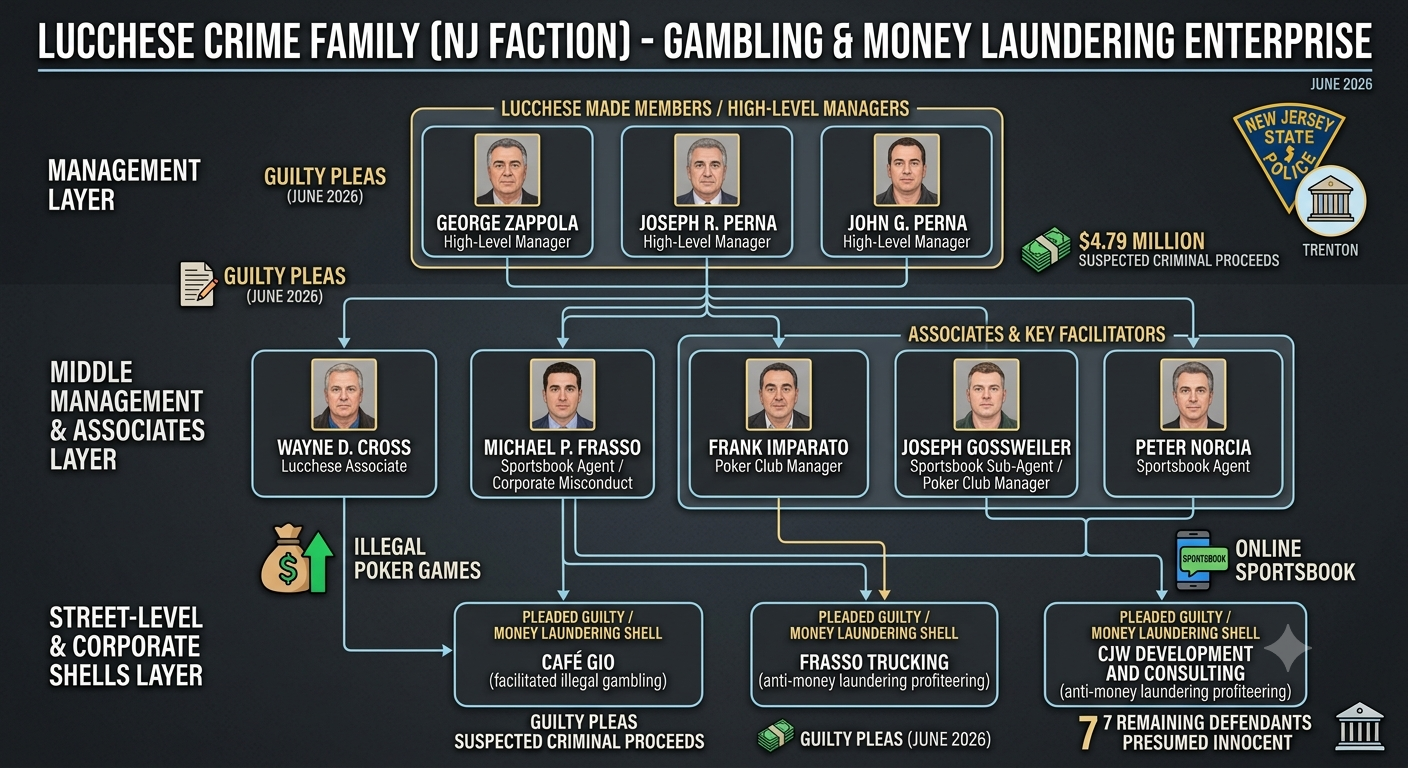
Eight defendants negotiated plea agreements for their alleged roles in an illegal gambling and money laundering operation linked to the Lucchese crime family.
The defendants were among 42 people indicted following April 2025 arrests that concluded a two-year investigation into alleged illegal gambling, loansharking, extortion, and money laundering activities, according to New Jersey authorities.
Bookie Organization Chart
Three companies also resolved charges as part of the case:
Café Gio, which authorities alleged was used to facilitate illegal gambling, pleaded guilty to second-degree conspiracy and agreed to pay a $250,000 penalty.
Frasso Trucking, which investigators claimed was used to launder gambling proceeds, pleaded guilty to second-degree conspiracy involving anti-money laundering profiteering and agreed to a $250,000 penalty.
CJW Development and Consulting, which authorities alleged was also used to launder gambling proceeds, pleaded guilty to second-degree conspiracy involving anti-money laundering profiteering and agreed to pay a $250,000 penalty.
Authorities announced the arrests following multi-agency raids at 12 locations across northern New Jersey. Investigators searched alleged poker clubs, social clubs, and businesses suspected of housing gambling equipment.
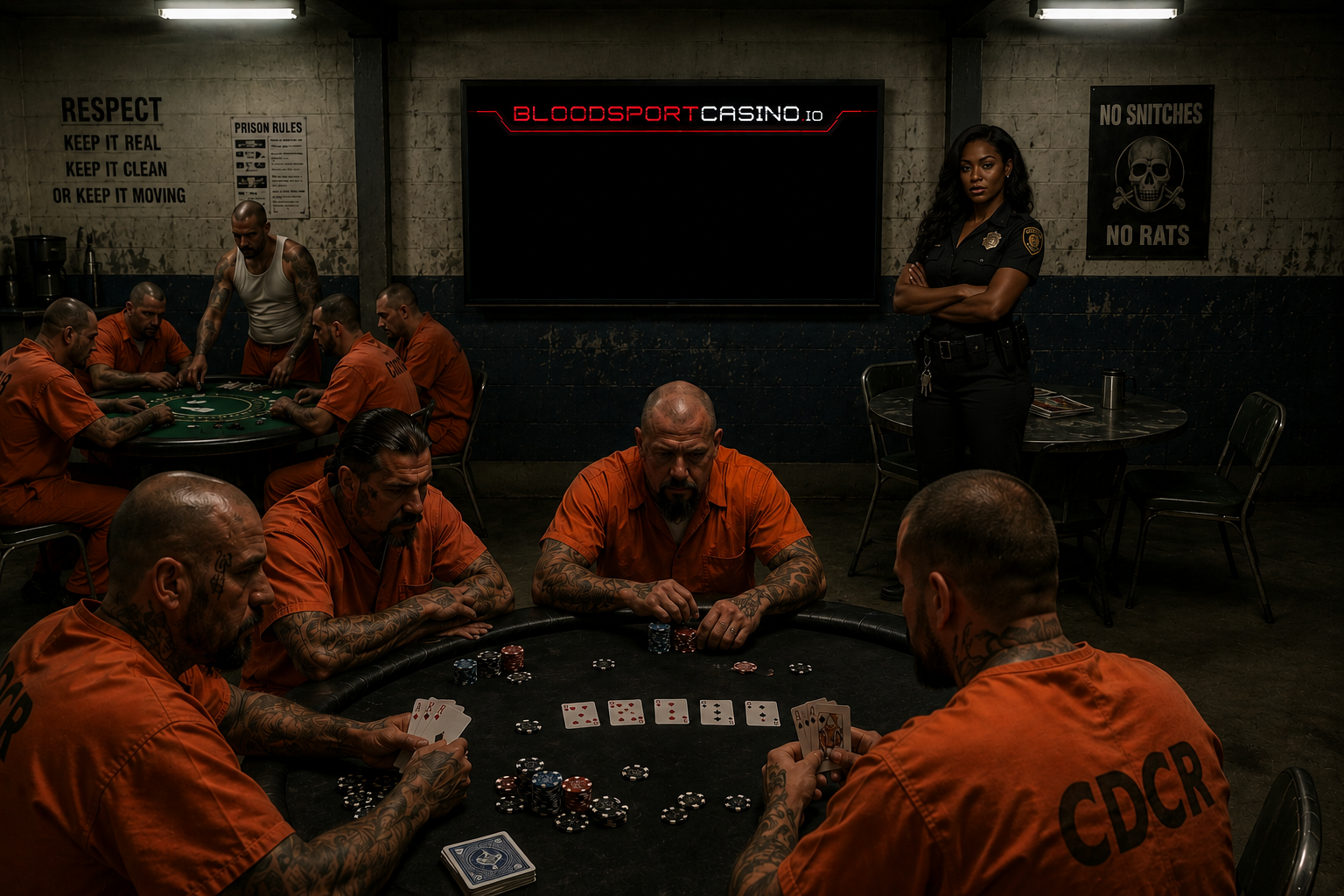
Find the Snitch!
Prison Snitch Slots
Federal Raids on Illegal Gambling Houses Nab 130
Los Angeles, California — December 22, 2025.
Source:
NBC LA
In Operation Coast to Coast, federal and local law enforcement agencies raided illegal gambling establishments known as casitas. Authorities alleged that some locations were connected to narcotics distribution, prostitution, and firearms trafficking.
The FBI reported that more than 130 suspects were detained across Los Angeles-area casitas.
Hong Kong Police Raid Triad Betting Ring, 150 Arrested, Seize HK$320M in World Cup Bets
A three-day police operation across Hong Kong disrupted an alleged illegal betting syndicate estimated to have processed over HK$320 million in World Cup-related betting activity.
Hong Kong’s Organized Crime and Triad Bureau announced the arrest of 150 people during raids involving 600 officers.
The group allegedly operated at least eight websites processing bets on football, racing, and other sports.




 <
<